

The 7 Home Features That Quietly Become Dangerous as We Age
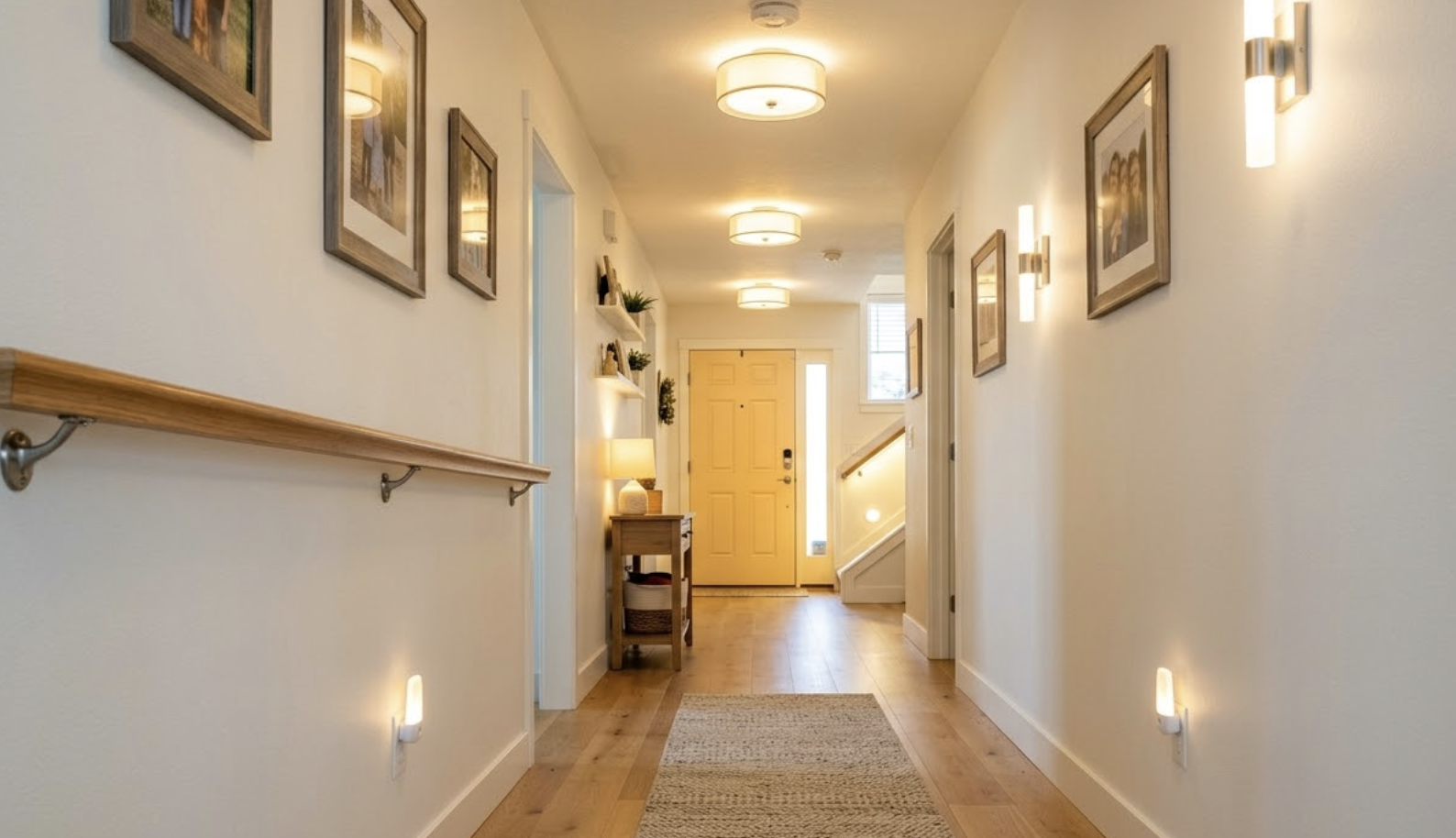
Small details in a home's layout, lighting and everyday pathways can become more important as needs change.
A home can work beautifully for decades and then, little by little, become harder to navigate.
Sometimes the first sign is small. Someone begins holding the railing more carefully on the stairs. A nighttime trip to the bathroom feels less comfortable than it used to. Carrying groceries from the car becomes more difficult. A step that was barely noticed for years suddenly requires more attention.
The house may not have changed at all. But the way someone experiences and moves through it can change over time.
Before real estate, I worked as a physical therapist. That experience still influences what I notice when I walk through a home today. I pay attention to stairs, entrances, bathrooms, lighting, walking paths and the ordinary routes people take through a house.
I am no longer practicing physical therapy, and I do not evaluate an individual's medical or mobility needs. Those questions belong with the appropriate healthcare professionals. But from a real estate and home-function standpoint, there are features worth noticing before they become larger concerns.
That matters whether you are hoping to remain in your home for many years, helping an aging parent think ahead, or considering whether another home might eventually make everyday life easier.
Why does home safety become more important as we age?
Falls are a significant concern for older adults. The CDC reports that falls are the leading cause of injury among adults age 65 and older, and more than 1 in 4 older adults report falling each year.
Fall risk is rarely about one feature of a house alone. Health conditions, medications, vision, strength, balance, footwear and environmental hazards can all play a role. The CDC specifically identifies home hazards such as uneven steps, throw rugs and clutter among the factors that can contribute to falls.
That is why I would not look at a house and declare it “safe” or “unsafe” for a particular person.
Instead, I think it is useful to ask a more practical question:
Where does this home require extra effort, balance, vision or attention during an ordinary day?
Here are seven places I would look.
1. Poor or uneven lighting
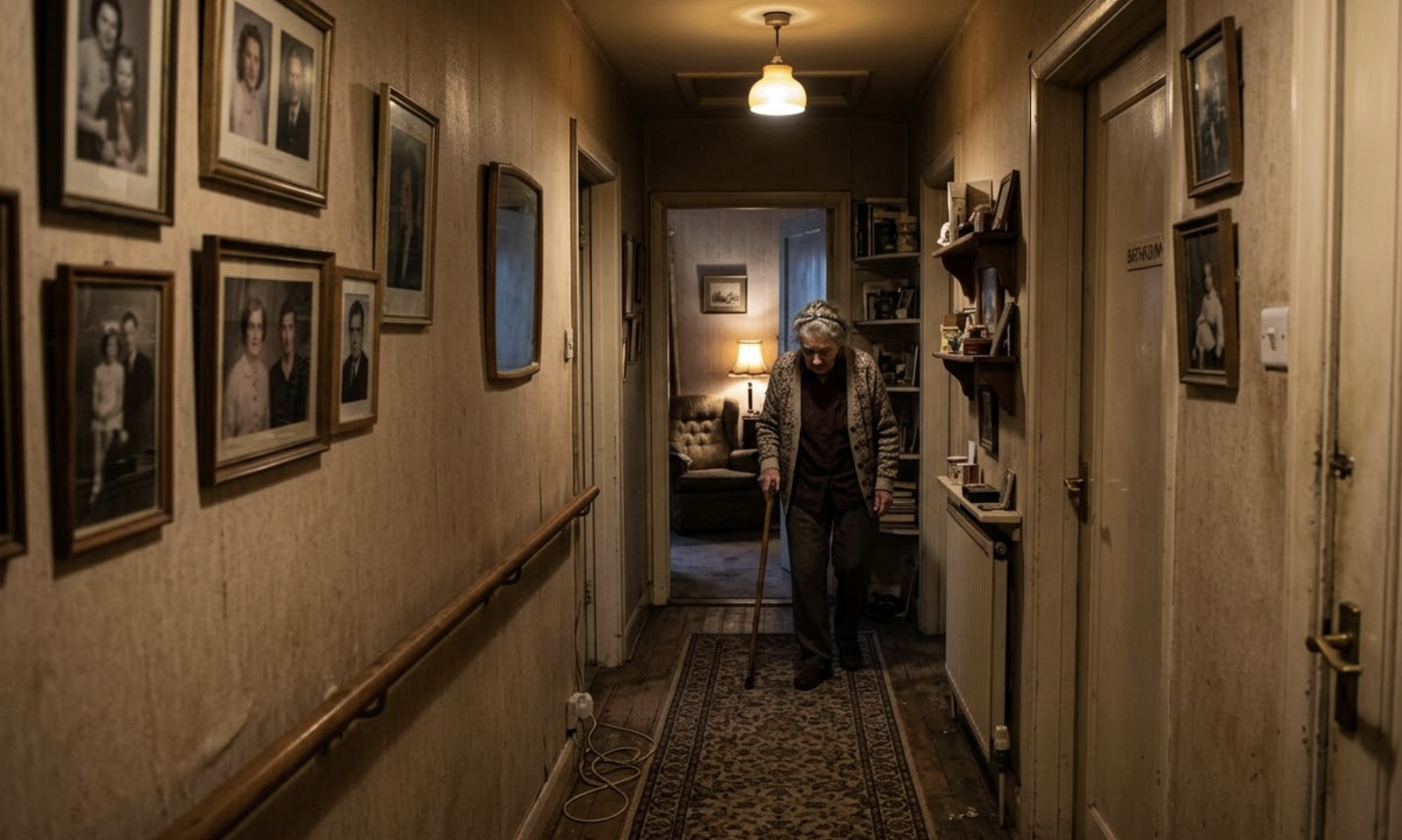
Dim hallways and uneven lighting are worth noticing when evaluating how a home may function over time.
Lighting is easy to overlook because we become accustomed to our own homes.
A hallway may seem adequately lit because you have walked through it thousands of times. You know where the step begins, where the furniture sits and how to reach the light switch.
But consider the house at night. Look at stair landings, hallways, entrances, bathrooms and the route from the bedroom to the bathroom. Are there dark stretches? Sudden changes between bright and dim spaces? Light switches that are difficult to reach before entering a room?
The CDC recommends making homes brighter with additional lighting or brighter bulbs as part of fall-prevention efforts.
This does not necessarily require a major renovation. Sometimes the first step is simply noticing where better lighting would make movement through the home easier.
2. Bathrooms without adequate support
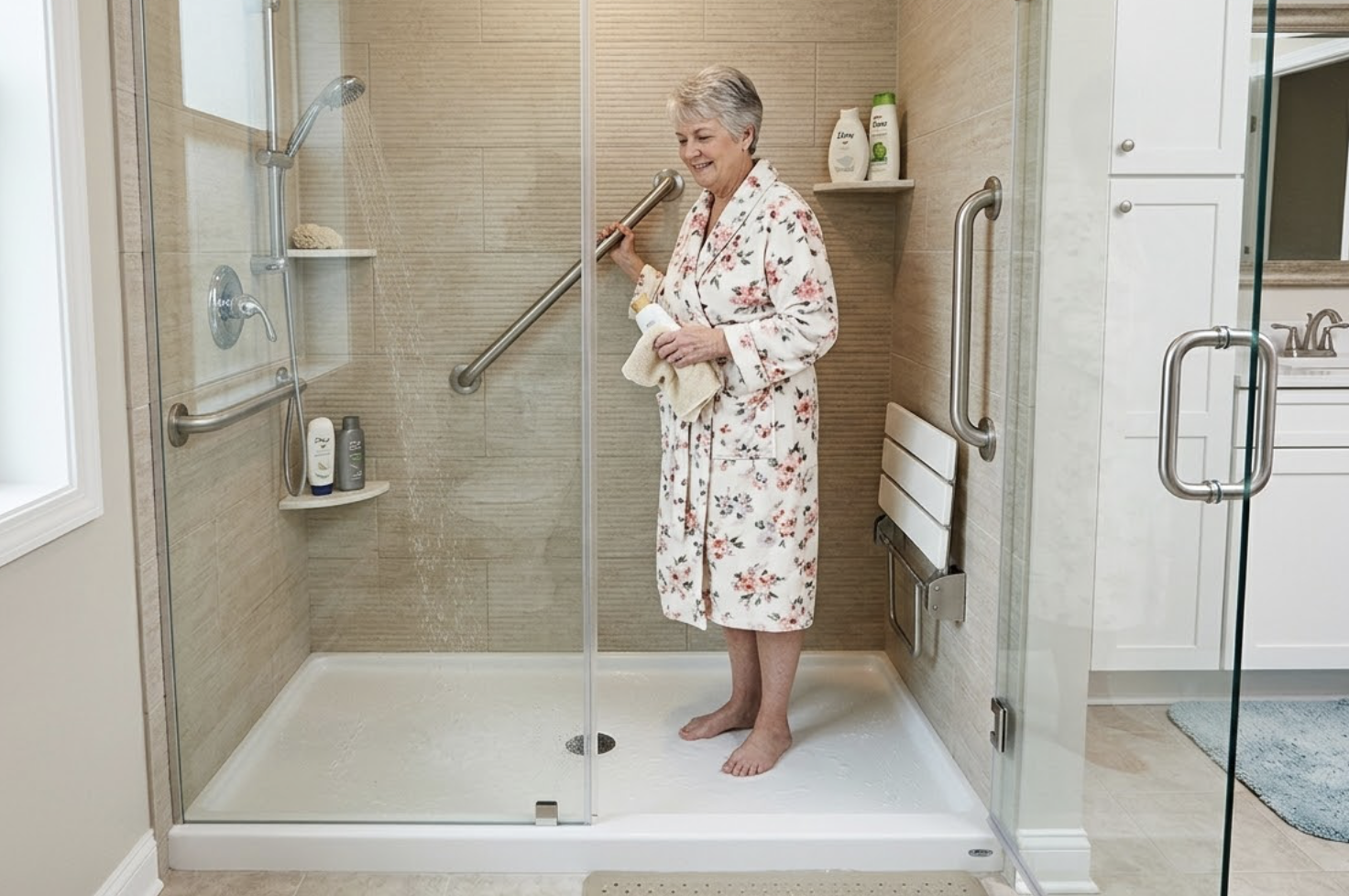
Bathroom layout, shower thresholds and available support can affect how easily the space functions over time.
Bathrooms deserve particular attention because everyday activities there can involve stepping over thresholds, changing position, turning in a small space and moving across wet surfaces.
Look at how someone gets into and out of the shower or tub. Is there something sturdy to hold? Is the shower threshold high? Is the floor slippery when wet? Is there enough room to move comfortably around the toilet and vanity?
The CDC recommends grab bars inside and outside the tub or shower and next to the toilet as part of making a home safer from falls.
The right modification for a particular person should be determined with appropriate professionals when individual health or mobility needs are involved. From a home-planning perspective, however, the bathroom is an important room to evaluate before a problem forces the conversation.
3. Entry steps and thresholds
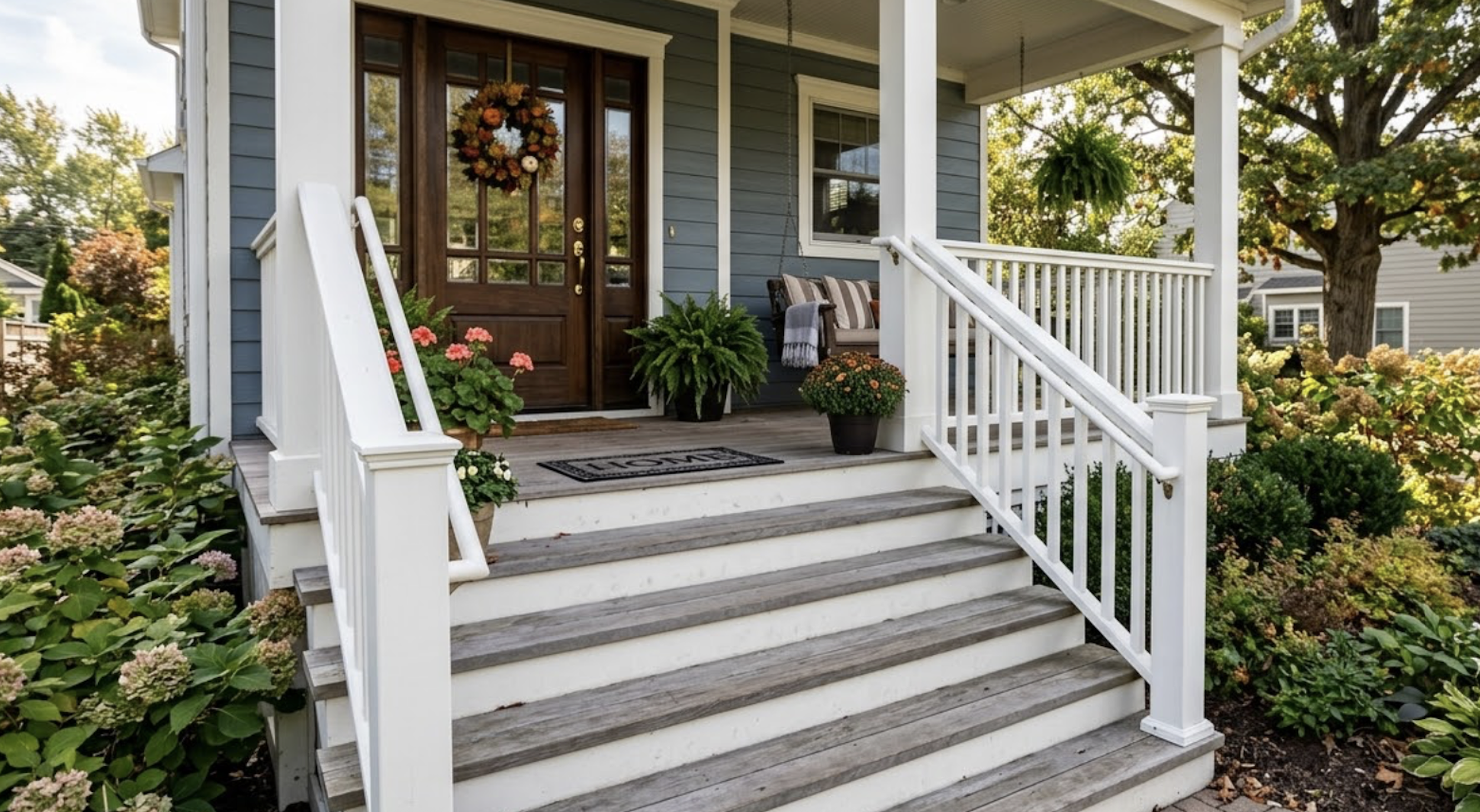
The everyday route into a home deserves attention, including steps, railings, lighting and changes in elevation.
People often think about the stairs inside a house and forget about the steps required simply to get through the front door.
Walk the route someone actually uses every day.
That may not be the front entrance at all. It could be two steps from the garage into the kitchen, a sloped walkway from the driveway, an uneven sidewalk or a back entrance used most often because that is where the car is parked.
Are there railings? Is the surface level? Is the area well lit? Are there awkward thresholds? What happens when someone is carrying groceries at the same time?
A house may have a first-floor bedroom and a beautiful walk-in shower and still require navigating several unsupported steps just to come home.
That is why I consider the everyday entrance part of the home's functional layout.
4. Staircases
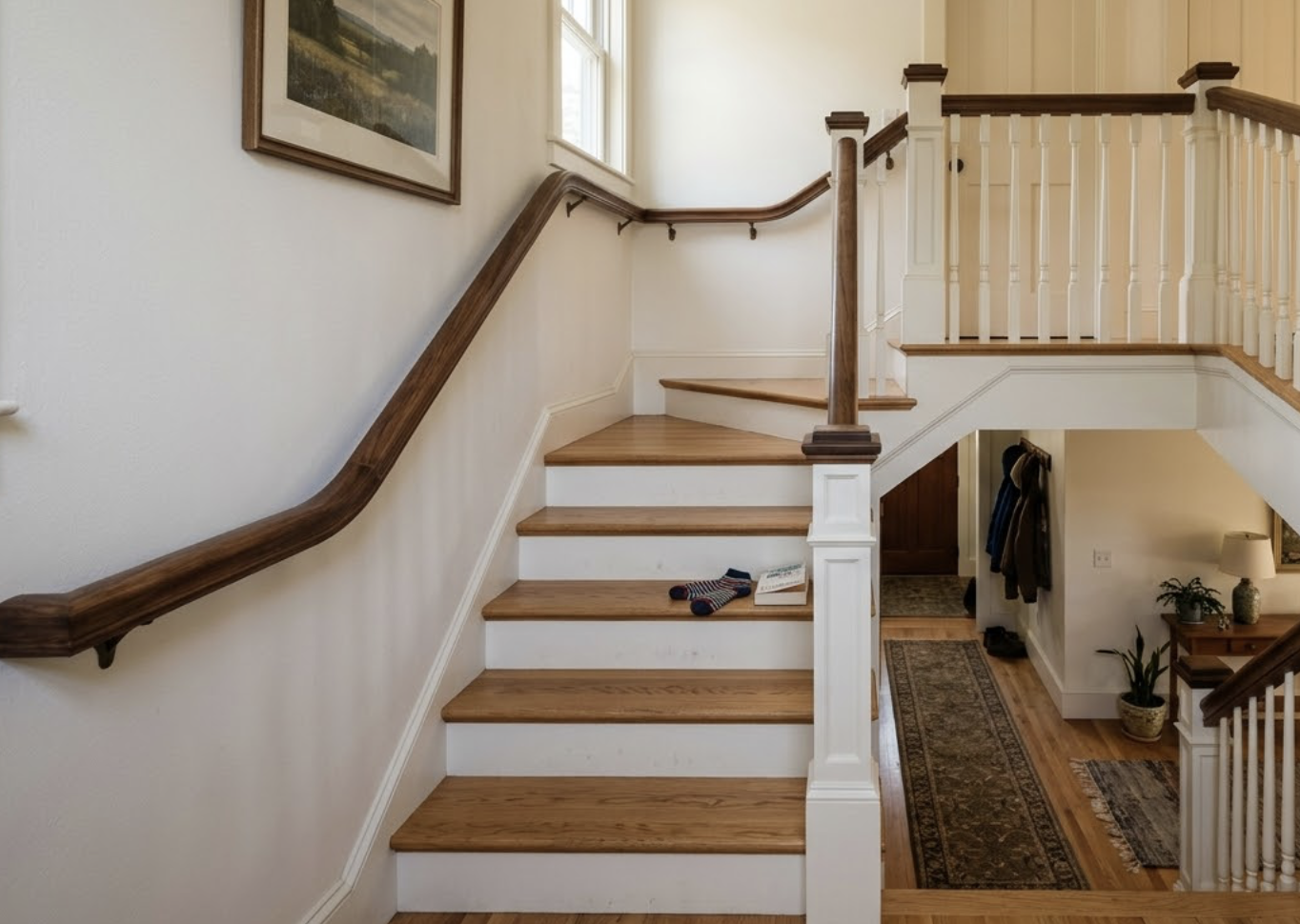
Where stairs lead, how often they are needed and whether secure handrails are available all affect how a home functions.
Stairs are one of the most obvious features families think about when considering aging in place, but simply counting the number of stairs does not tell the whole story.
Where are they, and what do they connect?
If the primary bedroom is upstairs, how many times a day is that staircase necessary? Is the laundry in the basement? Are the stairs narrow or steep? Is there a landing? Are there secure handrails?
The CDC recommends handrails on both sides of staircases as one way to make a home safer.
It is also worth noticing behavior. If someone who once moved easily through the house has begun avoiding a level of the home or seems increasingly cautious on the stairs, that may be useful information to discuss with them and, when appropriate, their healthcare provider.
For a deeper look at how stairs and other structural features affect long-term livability, read What My Physical Therapy Career Taught Me About Home Design and Aging in Place.
5. Loose rugs, clutter and unstable walking surfaces
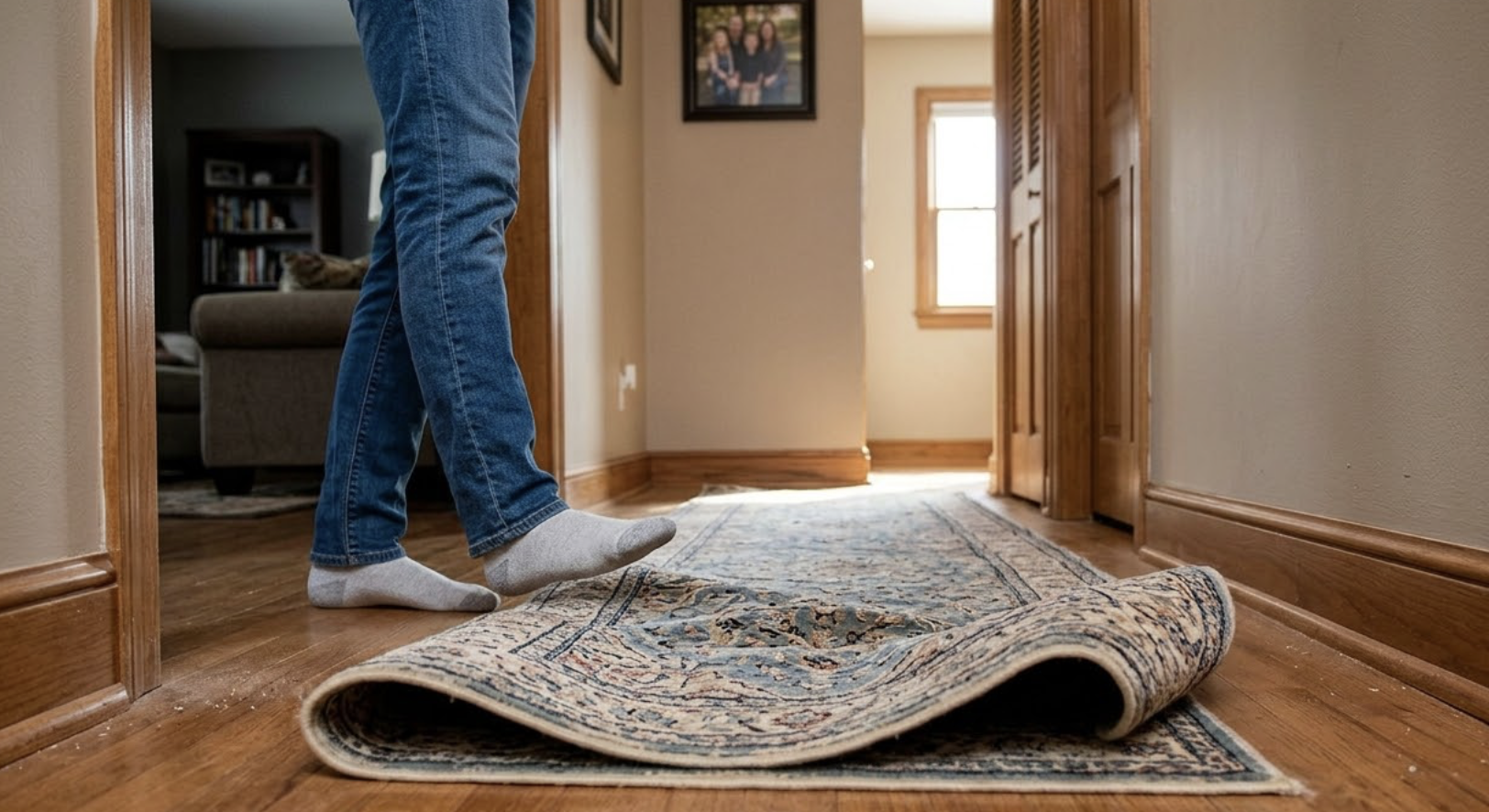
Throw rugs, clutter and changes between flooring surfaces can create trip hazards along everyday walking paths.
A beautiful rug may have been in the same place for twenty years. That does not mean it deserves a permanent exemption from scrutiny.
Look at curled edges, rugs that slide, electrical cords crossing pathways, clutter near furniture and transitions between different flooring materials. Also look at the places where someone has to maneuver around furniture rather than walking through a clear path.
Current CDC guidance specifically recommends removing trip hazards such as throw rugs and keeping floors free of clutter.
This is one of the reasons looking at the house with fresh eyes can be useful. Familiarity makes it surprisingly easy to stop seeing the obstacles we walk around every day.
6. Essential rooms on different levels
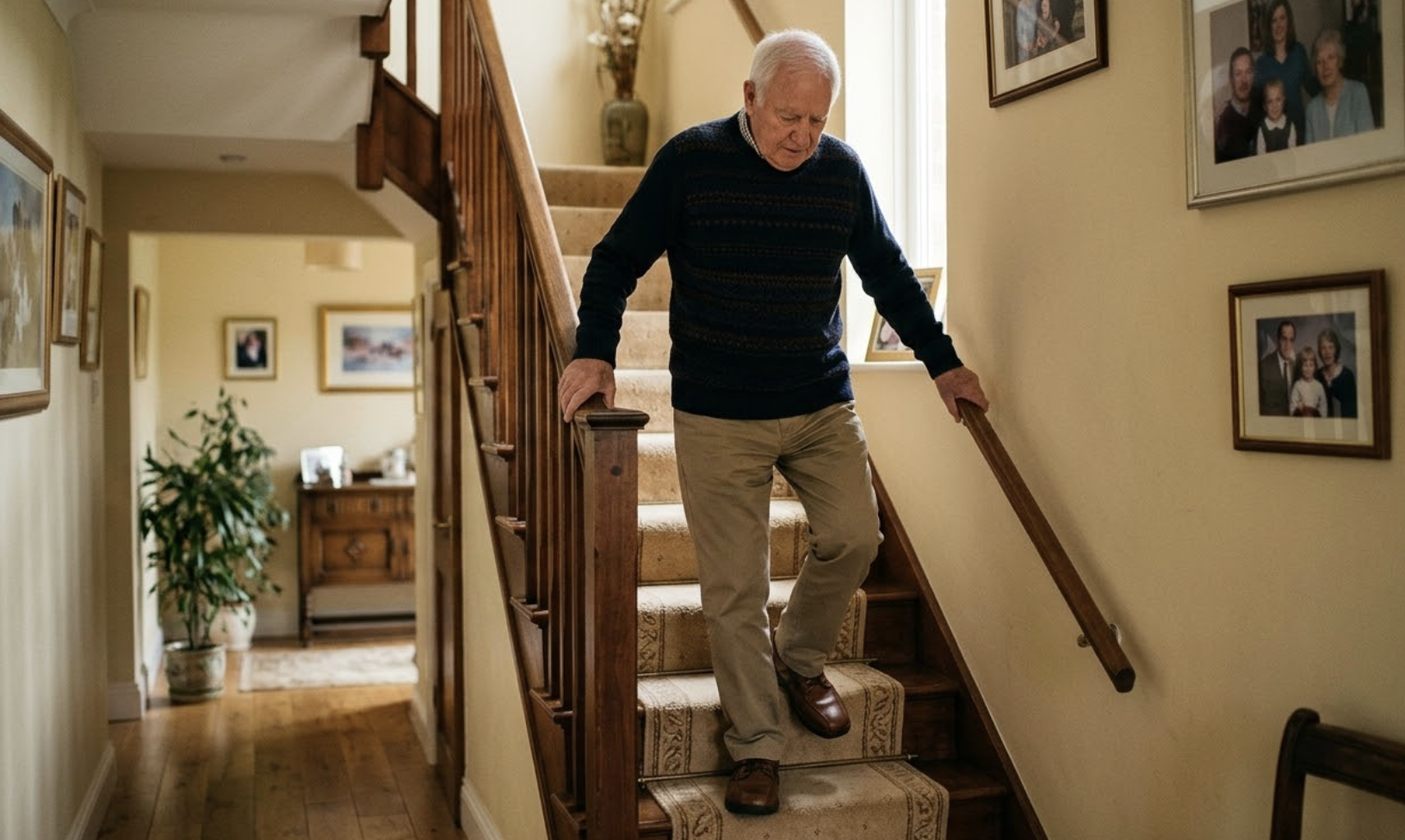
A home's layout matters differently when bedrooms, bathrooms, laundry and everyday living spaces require repeated trips between floors.
A two-story home is not automatically a poor choice as someone gets older.
The more useful question is what the stairs are required for.
If the bedroom and full bathroom are upstairs, laundry is in the basement and the kitchen is on the main floor, an ordinary day may require moving between several levels repeatedly.
Now compare that with a home where the bedroom, bathroom, kitchen and laundry can all be reached without stairs.
That difference can matter even to someone who is perfectly capable of using stairs today. It may also affect how adaptable the home would be after an injury, surgery or future change in mobility.
Sometimes a house has more flexibility than it first appears. A main-floor room may eventually serve another purpose, or laundry might be relocated during a future renovation. Other layouts are much harder or more expensive to change.
Understanding which situation you have is useful whether you decide to stay or move.
7. The route from the car into the house
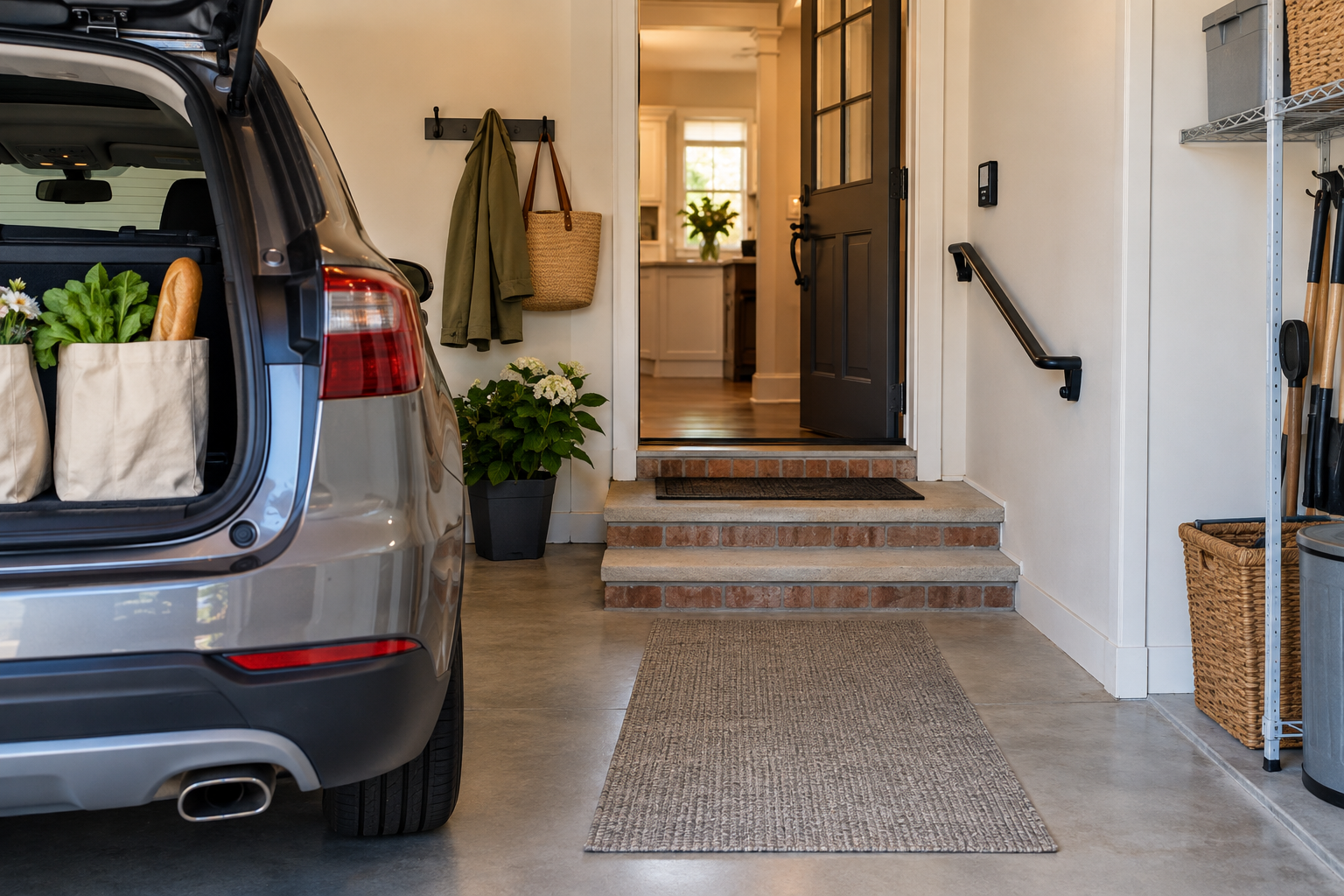
The everyday route from the car into the house is an important part of how a home functions.
This is one of the areas I think homeowners can easily overlook.
Imagine arriving home with groceries in the rain.
Where do you park? How far do you walk? Is the surface level? Are there steps? Is the route covered? Is there somewhere to set down a bag while opening the door? Once inside, how far is it to the kitchen?
Now think about that same route if someone temporarily needed a walker after surgery or experienced a longer-term change in mobility.
The garage, driveway and entrance are not separate from the function of the home. They are part of the daily living environment.
When people are buying a home they hope to remain in for many years, I think this route deserves just as much attention as the kitchen countertops or bedroom sizes.
Does finding one of these features mean you need to move?
No.
Most homes have something that could work better.
The question is whether the features that create difficulty can reasonably be changed and whether making those changes would allow the home to continue supporting the way you want to live.
Lighting may be relatively simple to improve. A bathroom renovation may be possible. Lawn care or other maintenance can sometimes be delegated. A room may be able to serve a different purpose.
Other limitations are built much more deeply into the property. Moving laundry from a basement may be difficult. A steep lot cannot easily become level. A narrow staircase may be expensive or impossible to change. A home with essential rooms spread across several floors may simply require more daily effort than someone wants.
If you are thinking beyond individual safety features and want to understand the larger question of whether a home can adapt over time, read What My Physical Therapy Career Taught Me About Home Design and Aging in Place.
When should a family start considering another housing option?
You do not have to wait for a crisis to learn what other choices exist.
Sometimes families begin exploring alternatives because the current house has several limitations that would be difficult to change. In other cases, the home could be modified, but the homeowner no longer wants the maintenance, stairs or responsibility that comes with it.
There is also a difference between exploring and deciding.
Looking at ranch homes, patio homes, condominiums or other living arrangements does not commit anyone to moving. It gives the family something concrete to compare with the current home.
If you are helping a parent whose present home may no longer work well, I explain some of those choices in When Aging Parents Can't Safely Stay in Their Home: Options Louisville Families Often Face.
For the broader decision about aging in place, downsizing, selling a longtime home and coordinating a transition, visit Downsizing and Senior Transitions in Louisville, KY.
What should you do if you begin noticing concerns in a parent's home?
Start by observing before you start solving.
Which parts of the house seem to require more effort than they once did? Has your parent changed how they use the home? Are certain rooms or stairs being avoided? Are there maintenance responsibilities they no longer want?
Then talk with your parent rather than making decisions around them.
Individual concerns involving falls, balance, strength, vision, medications, mobility or other health issues should be discussed with the appropriate healthcare professionals. The CDC also recommends that older adults speak with their healthcare providers about fall risk, medication effects, vision and other factors that can contribute to falls.
The housing conversation can happen alongside that medical guidance.
If your family reaches the point where you are ready to organize the practical pieces of a possible move, my Louisville Downsizing Planning Checklist for Families Helping Aging Parents can help you work through the next steps without trying to solve everything at once.
Frequently Asked Questions About Home Safety and Aging in Place
What home features can increase fall risk for older adults?
Home hazards can include uneven or broken steps, throw rugs, clutter, poor lighting, stairs without adequate handrails and bathrooms without appropriate support. A person's overall fall risk can also be affected by factors such as balance, strength, vision, medications and health conditions.
What are some ways to make a home safer for aging in place?
Depending on the home and the person, changes may include improving lighting, removing trip hazards, installing bathroom grab bars and adding handrails to stairs. The CDC includes these among its recommendations for reducing fall risk at home. Individual needs should be discussed with appropriate healthcare and home-modification professionals.
Is a one-story home always better for an older adult?
Not necessarily. A one-story layout can reduce the need to use stairs, but the overall function of the home also matters. Entrances, bathrooms, parking, flooring, lighting, maintenance requirements and proximity to everyday needs can all affect how well a property works for someone.
Should an older homeowner modify the current house or move?
There is no single answer. Consider what would need to change, whether those changes are feasible, what the home will continue to require, what another property could offer and what the homeowner actually wants. Health and mobility questions should involve appropriate healthcare professionals.
When should families start talking about aging in place or downsizing?
Ideally, before a crisis makes the decision urgent. Starting earlier gives the homeowner and family time to understand the current house, explore alternatives, consider finances and decide what changes, if any, make sense.
A home should support the life happening inside it
Longtime homes carry history. They hold ordinary routines, celebrations, difficult seasons and years of memories.
That history matters. So does the way the home works today.
Sometimes a few thoughtful changes make staying in a beloved home easier. Sometimes looking carefully at the property helps someone recognize that another layout would better support the life they want now.
Neither conclusion should be assumed in advance.
The useful first step is simply to look at the home with fresh eyes and ask:
Is this house still working well for the way I want to live?
If you are beginning to think through that question for yourself or an aging parent in Louisville, you can contact me here. We can look at the real estate side of the decision, the current home and the housing alternatives without assuming that moving is the answer.
Because Your Move Deserves Care, Not Chaos.
