

How Do You Know It’s Time to Downsize in Louisville, KY?
Most people don’t decide to downsize all at once. It starts with small shifts—a home that feels harder to manage, rooms that go unused, or a quiet sense that something has changed. This guide walks through how to recognize those signs and think through the decision with clarity, not pressure.

Sometimes people think about downsizing for years. The idea comes and goes as life changes, until eventually they are ready to seriously consider it.
Other times, there is a moment when the question becomes very clear.
An injury makes the stairs suddenly difficult. A spouse dies and the house feels different. The last child moves out and rooms that were once full are rarely used. A major repair comes up just as another season of yard work begins, and maintaining the property no longer feels worth the effort.
The reason can be practical, financial, emotional, or a combination of all three.
So how do you know if it may be time to downsize? Look at whether your home still supports the way you want to live now and in the years ahead. Consider how much of the house you use, what it requires from you, how well the layout works, what it costs to maintain, and what another home might make possible.
None of those questions automatically leads to selling. They simply help you determine whether the home that has served you well for years still fits the life you are living today.
Sometimes the House Changes. Sometimes You Do.
A house can remain essentially the same for decades while the lives inside it change considerably.
The four-bedroom house that once made sense with children at home may feel very different after the last child leaves. A large yard may have been something you loved when gardening was a favorite way to spend a Saturday. Years later, you may still enjoy the yard but no longer want to spend so much time maintaining it.
Retirement can change things too. Maybe you are traveling more, spending winters somewhere warmer, helping with grandchildren, or simply discovering that you would rather use your time differently.
Then there are changes no one planned for. An injury, illness, death of a spouse, divorce, or change in finances can make someone look at a longtime home differently almost overnight.
None of this means the house has become a bad house.
It may simply mean that the reasons you chose it are no longer the reasons that matter most.
How Much of Your Home Do You Actually Use?
One of the simplest ways to look at downsizing is to pay attention to how you live in your house today.
Which rooms are part of your everyday life? Which ones are mostly cleaned, heated, cooled, furnished, and maintained?
You may have bedrooms waiting for occasional guests, a formal dining room used primarily on holidays, or a finished basement that once served an important purpose but is now mostly storage. That extra space may still be valuable to you. You might love having everyone stay at your house during the holidays or having room for grandchildren to visit.
If you use and enjoy the space, there is nothing inherently wrong with having more of it.
The question becomes more useful when you realize that much of the house no longer contributes very much to your life, yet you are still paying for it and taking care of it.
That is information worth considering.
Has Maintaining the House Become More Work Than You Want?
There is a difference between being capable of maintaining a home and wanting to continue doing it.
Think about what repeatedly lands on your list: mowing, landscaping, leaves, gutters, exterior maintenance, cleaning, painting, repairs, appliance replacement, HVAC service, plumbing issues, or coordinating contractors.
For some homeowners, those responsibilities are simply part of owning a house they love. They enjoy the yard and the projects, or they have reliable help that makes the work manageable.
For others, the balance gradually changes. The house begins taking more time, money, or mental energy than they want to give it.
Occasionally, one project makes that clear. A homeowner gets an estimate for a roof, faces another spring of landscaping work, or finishes a repair only to discover the next thing that needs attention. The question becomes less about whether they can keep up with the house and more about whether they still want their life organized around doing so.
That can be an important turning point.
Does the Layout Still Work for Your Everyday Life?
Square footage is only part of how a home functions.
Think about the path from your car to the kitchen with groceries. Where is the laundry? How often do you use the stairs? Where is the primary bedroom? How easy is the shower to enter? Are there rooms you avoid because getting to them is inconvenient?
People can live in a house for years without thinking much about these details because the routines are familiar.
My earlier career as a physical therapist still influences what I notice when I walk through a home. I am not practicing physical therapy today or evaluating anyone's individual medical or mobility needs. That experience did teach me to pay attention to entrances, stairs, bathrooms, lighting, pathways between rooms, and the amount of effort built into ordinary household routines.
Some homes can adapt fairly easily as needs change. Others have structural limitations that would require significant renovation to overcome.
Understanding which kind of home you have can be useful even if you ultimately decide to stay.
I explore this more fully in What My Physical Therapy Career Taught Me About Home Design and Aging in Place.
What Is Your Home Asking From You Financially?
Homeowners often think about the financial side of downsizing by starting with one number: what their current house might sell for.
That number matters, but it does not answer the whole question.
Staying has a cost. So does moving.
If you stay, consider property taxes, insurance, utilities, routine maintenance, lawn care, repairs and major systems that may eventually need replacement. If you move, there will be selling and moving expenses, the cost of the next home, and possibly association fees or different property expenses.
A smaller home is not automatically a less expensive home, particularly if you are moving to a newer property or a location where prices are higher.
At the same time, homeowners who have been in their houses for many years may have substantial equity. That equity can create options, but having equity is not, by itself, a reason to sell.
The better financial question is broader:
If I stay, what will this home likely require from me over the next several years? If I move, what would that cost, and what would I gain in return?
Now you have something meaningful to compare.
What Would You Want Your Next Home to Give You?
People thinking about downsizing often have a very clear picture of what they would lose.
Space. Storage. A familiar neighborhood. A yard. A dining room large enough for Thanksgiving. Bedrooms where children once slept. Neighbors they know.
Those things matter, and they belong in the decision.
But the comparison is incomplete until you ask what another home might give you.
Perhaps you want a first-floor primary bedroom, less exterior maintenance, a smaller yard, easier travel, more convenient parking, or a location closer to family. Maybe you want enough space for guests without maintaining several rooms you rarely use. You might want a home you can lock up and leave more easily.
Some people go through this exercise and realize they would not gain enough to make leaving worthwhile.
That is a perfectly useful answer.
Downsizing makes sense when the tradeoffs work for your life. The goal is not to find reasons to leave a house you still love.
Are You Staying Because You Want to Be There?
This is a harder question.
Longtime homes hold an extraordinary amount of personal history. You may remember bringing babies through the front door, birthday parties in the kitchen, holiday dinners, school mornings, projects completed together, neighbors who became friends, and ordinary moments that became meaningful only in hindsight.
A home can hold decades of your life without being the only place where the next part of your life can happen.
Still, attachment deserves respect. I don't find “it's just a house” particularly helpful because, for many people, it isn't.
If you are struggling with the decision, try separating these questions:
Do I still want to live in this house?
Would leaving this house be emotionally difficult?
You can answer yes to both.
Recognizing that difference can help you understand whether the home itself is still the right fit or whether the difficulty lies primarily in saying goodbye to it.
You do not have to resolve that question quickly.
What If You Want to Stay?
Then it is worth looking seriously at what staying would require.
Perhaps the house works beautifully with a few changes. Lawn care can be hired out. Lighting can be improved. A bathroom could be updated during a renovation you were already considering. A room on the main floor might eventually serve a different purpose. Some maintenance can be delegated instead of becoming a reason to move.
Other homes are harder to adapt. Laundry may be in a basement with no practical alternative. Essential rooms may be separated by stairs. Entrances may be difficult to modify. The property itself may simply require more maintenance than you want.
Individual health, mobility, equipment, or care needs should involve the appropriate healthcare professionals. For the home itself, contractors and other qualified professionals can help determine what changes are actually feasible.
The important thing is to compare a realistic version of staying with a realistic version of moving.
What If You Keep Thinking About Downsizing but Aren’t Ready?
You can investigate downsizing without deciding to sell.
In fact, this is often where I think people should begin.
Find out what your current home might realistically sell for. Estimate what you might walk away with after selling expenses. Look at the types of properties you would actually consider buying. Pay attention to prices, association fees, locations, layouts, and how often suitable homes become available.
Then look back at your current house. What significant maintenance or expenses might be ahead? What would you need to change if you wanted to remain there comfortably? How much of the house do you want to continue maintaining?
You are gathering information, not making a commitment.
Sometimes people discover that moving would solve several problems they had been quietly working around.
Others do the same homework and realize that their current home still makes the most sense.
Either conclusion is progress because the decision is now based on something more substantial than a vague feeling.
Is It Better to Downsize Before You Have To?
There is value in having choices.
If you believe a move may eventually make sense, exploring it before circumstances force a decision can give you more time to think about what you want.
You can visit different types of homes. Compare neighborhoods. Think through finances. Decide what features matter. Work through belongings gradually. Make improvements to your current home on your own timetable.
That does not mean everyone should move before there is a pressing reason.
Some homeowners stay in the same house happily for the rest of their lives. Others eventually encounter a change that makes moving the better choice.
The advantage of thinking ahead is simply that you know more about your options if that moment comes.
What Does Downsizing Actually Mean?
It does not have to mean moving into a tiny home.
For one Louisville homeowner, downsizing might mean moving from a two-story house with a large yard into a smaller ranch. Someone else may consider a patio home, condominium, or townhome because they want less exterior maintenance. Another person may care more about location than square footage and choose a home closer to family or the places they visit regularly.
There are also situations where a move involves more support or services. That is a different decision and should be evaluated based on the individual's circumstances.
The useful question is not, “What kind of home do people my age usually buy?”
It is, “What would I want my next home to make easier?”
Maybe the answer is fewer stairs, less maintenance, easier parking, better storage, space for a hobby, a guest room, proximity to family, or simply a location that fits your daily life better.
If you are considering options for an aging parent whose current home may no longer work, I have a separate guide to housing options Louisville families often consider.
What About Everything You Have Accumulated?
This is where many downsizing conversations stop.
You look around the basement, closets, garage, attic, cabinets and spare bedrooms and cannot imagine dealing with all of it.
That reaction is understandable, especially after decades in the same home.
But deciding whether another home might fit your life better and deciding what happens to every possession you own are not the same decision.
You do not need to empty the basement before you are allowed to explore a patio home.
First learn whether moving makes sense. If it does, then you can develop a plan for what comes with you, what family members may want, what can be sold or donated, and which belongings need more time.
If you try to mentally sort an entire household before you even know whether you want to move, downsizing can feel impossible before you begin.
For a deeper look at organizing the transition itself, see my guide on helping aging parents downsize without overwhelm.
How Do You Know When You Are Ready?
Sometimes you know because something happened.
Other times, readiness develops gradually as the questions become clearer and you gather more information.
You understand what your current home gives you and what it requires from you. You know what staying would probably involve. You have a realistic idea of what another home could cost and what kind of property you would consider. You have thought about what you would gain and what you would miss.
You may still feel emotional about leaving.
Being ready to make a thoughtful decision does not necessarily mean being completely comfortable with every part of it.
Questions Worth Asking Before You Decide to Downsize
When someone tells me they have been thinking about downsizing, these are the kinds of questions I think are worth working through:
How much of my home do I actually use?
What do I still enjoy about maintaining it?
What has started to feel burdensome?
Does the layout work well for the way I live now?
What changes would make staying easier?
What will the house likely require financially over the next several years?
Are there major repairs or replacements I should anticipate?
What would I want another home to make easier?
Where would I want to live?
What would I genuinely miss about this house?
What would I gain by moving?
Am I staying because this is still where I want to live, or because leaving feels difficult?
What information do I still need before I can make a good decision?
You may not answer them all at once. You may even find that answering one changes how you think about several others.
The point is to replace an abstract question, Should I downsize?, with a clearer understanding of the choices actually available to you.
Frequently Asked Questions About Downsizing in Louisville
How do I know if it is time to downsize?
Look at how well your current home fits your life today. Consider how much of the home you use, the time and money required to maintain it, whether the layout works well, and what another home could offer. Sometimes an injury, loss, financial change, or other life event makes the decision more immediate. In other cases, the realization develops gradually.
What age should you downsize your home?
There is no particular age when someone should downsize. A homeowner's priorities, finances, health, home layout, maintenance responsibilities, family situation, and plans for the future are more useful considerations than age alone.
Does downsizing always save money?
No. A smaller home can still have a significant purchase price, and condos, patio homes, and some communities may have association fees. Compare the ongoing costs of your current home with the full cost of moving and owning the next property before assuming downsizing will save money.
Can I explore downsizing without putting my house on the market?
Yes. You can estimate your home's likely market value and potential proceeds, explore available housing, compare costs, and think through what staying would require before making a decision about selling.
Do I need to renovate my Louisville home before selling it?
Not necessarily. What is worthwhile depends on the condition of the property, the likely return on the work, the market, and your own timing. Before beginning a long list of projects, it can be helpful to understand which improvements are likely to matter and which may add unnecessary expense or delay.
Should I find my next home before selling my current one?
The right sequence depends on your finances, housing options, timing, and comfort with carrying or coordinating two properties. Understanding both your current home's likely sale and the realistic choices for your next home can help determine which approach makes sense.
What if I want to downsize but my spouse does not?
Start with what is behind each person's position. One spouse may be focused on the history and comfort of the current home while the other is thinking about maintenance, finances, travel, location, or future needs. Looking at actual options and costs can make the conversation more concrete without requiring either person to agree to a move immediately.
Where should I start if I am thinking about downsizing?
Start with information rather than boxes. Understand what your current home may realistically be worth, what you might net from a sale, what staying is likely to require, and what alternatives are actually available. Once you know those things, you can compare your choices without committing to a move.
If you reach the point where you are ready to organize the practical next steps, my Louisville Downsizing Planning Checklist for Families Helping Aging Parents gives you a clear framework for working through housing decisions, belongings, home preparation and the move itself.
For a broader look at aging in place, housing choices, planning a move, selling a longtime home, and coordinating the transition, visit my Downsizing and Senior Transitions in Louisville, KY.
You Can Explore the Question Before You Know the Answer
Thinking about downsizing does not mean you have decided to move.
You may simply have reached the point where you want to know what your choices are. That is a very reasonable place to begin.
For some people, gathering information confirms that they want to stay exactly where they are. They may decide to make a few changes to the house, hire help with maintenance, and enjoy it for years to come.
For others, seeing the numbers and the housing alternatives makes something click. They realize that the house has served them well, but another home could fit the next part of their life better.
Both are good outcomes because the goal is clarity, not simply a sale.
If you are thinking about downsizing in Louisville, I can help you look at your current home's likely value, what you may realistically walk away with after a sale, and what your next housing options could look like. You are welcome to reach out before you have made any decisions.
Sometimes the first useful step is simply understanding your choices.
What Happens After a Bad Inspection Report? A Louisville Seller’s Guide to Responding Without Losing the Deal
After a bad inspection report, sellers typically negotiate repairs, credits, or price adjustments. The key is separating serious issues from normal maintenance and responding strategically rather than emotionally. Most reports look worse than they are, and how you respond in this moment plays a major role in whether the deal moves forward.

The Moment Every Seller Feels
There is a moment in almost every sale that feels heavier than the rest.
It’s not the listing.
It’s not the showings.
It’s not even the offer.
It’s the inspection.
You’ve done the work.
You’ve accepted an offer.
You’ve started to believe this is moving forward.
Then the report comes in.
And everything feels uncertain again.
Not because you expected perfection.
But because you don’t know what this means yet.
“Are they going to walk?”
“Do we have to fix all of this?”
“Is the deal falling apart?”
That moment matters more than most sellers realize.
Because what happens next isn’t about the house.
It’s about how you respond.
What Happens After a Bad Inspection Report?
After a bad inspection report, the buyer typically requests repairs, a credit, a price adjustment, or a combination of the three. The seller can agree, negotiate, partially accept, or decline based on the seriousness of the issues and the contract terms.
Most inspection reports look worse than they are. The goal is not to fix everything. The goal is to identify what actually matters and respond with strategy.
The Truth Most Sellers Don’t Hear Early Enough
An inspection report is not a verdict.
It is a negotiation tool.
That distinction changes everything.
An inspection report doesn’t tell you what to do. It shows you where the negotiation begins.
Every report combines:
real concerns
aging systems
minor maintenance
and items that simply sound bigger in writing
When everything is listed together, it feels overwhelming.
But not everything carries the same weight.
Why Inspection Reports Feel Bigger Than They Are
This stage hits emotionally before it hits logically.
Sellers often hear:
“My house isn’t as solid as I thought.”
“They’re trying to lower the price.”
“This is about to fall apart.”
But most buyers are not trying to walk away.
They are trying to reduce uncertainty.
Buyers don’t panic because a home is imperfect. They panic when they don’t understand what those imperfections mean.
That’s where this process can either stabilize…
Or escalate.

What Is Actually Happening in the Louisville Market
In today’s Louisville market, inspection negotiations are back.
Buyers are no longer waiving everything just to win
Sellers are seeing more repair requests and credits
Pricing and condition are more connected than they were a few years ago
This doesn’t mean the market is weak.
It means it is more balanced.
In a selective market, condition matters more, not less.
Homes that are:
well-prepared
well-presented
and realistically priced
tend to hold stronger positions during inspection.
Homes that stretch on condition often feel more pressure here.
The Only Way to Stay in Control: A Clear Filter
When a report comes in, everything feels urgent.
It’s not.
You only need to filter it correctly.
Separate “Serious” from “Expected”
Not everything listed is a problem.
Serious issues include:
roof failure or active leaks
electrical hazards
structural concerns
HVAC systems not functioning
moisture or foundation issues
Expected items include:
aging components
minor wear
maintenance items
cosmetic imperfections
A long report is normal. A dangerous report is not.
Ask: Will This Affect Financing or Insurance?
This is where clarity sharpens.
Some items feel stressful but don’t impact closing.
Others can stop a deal entirely.
The only issues that truly control a deal are the ones that affect financing, safety, or insurability.
That’s where attention should go first.
Understand the Buyer’s Ask Is a Starting Point
Most buyers open with a stronger request than they expect to receive.
That’s not conflict.
That’s negotiation.
The first request is rarely the final outcome.
Your job is not to react.
It’s to respond with structure.
Your 5 Real Options as a Seller
There are only five ways this moves forward.
Clarity comes from understanding them.
Option 1: Make the Repairs
Best when:
the issue is real and measurable
it will come up again with the next buyer
it protects the transaction
If the issue will follow the house, solving it now often protects your outcome later.
Option 2: Offer a Credit
Best when:
timing is tight
the buyer wants control
you want to avoid repair coordination
Credits preserve momentum.
Option 3: Adjust the Price
Best when:
multiple issues affect overall value
repairs are not urgent but still relevant
This simplifies negotiation.
Option 4: Split the Difference Strategically
Most deals land here.
You address what matters.
You hold where it doesn’t.
Strong negotiations are rarely all or nothing. They are selective and intentional.
Option 5: Hold Firm and Risk the Deal
Sometimes appropriate.
But only when:
pricing already reflects condition
requests are unreasonable
or you are prepared for the home to return to market
Holding your position is only strong if it is strategic, not emotional.
What Sellers Get Wrong in This Moment
Reacting Instead of Responding
Emotion speeds things up.
Strategy slows things down.
The fastest reactions usually create the weakest outcomes.
Fixing Too Much
Overcorrecting often costs more than negotiating.
Refusing Too Much
If the issue is real, it won’t disappear with the next buyer.
Forgetting the Bigger Picture
The goal is not to “win” the inspection.
The goal is to close the transaction with the best possible outcome.
You don’t get paid for winning negotiations. You get paid at the closing table.
A Simpler Way to Make Decisions
Instead of reacting line by line, ask:
Is this a real safety concern?
Will this affect financing or insurance?
Will the next buyer raise this again?
Is the request reasonable for the issue?
Does this keep the deal moving without overgiving?
That’s the filter.
A Louisville Reality Worth Understanding
Louisville has many homes with history.
That means:
aging systems
older construction
repairs done at different times and standard
This is normal.
Older homes don’t fail inspections. They reflect time.
The goal is not perfection.
It’s confidence.
What a Strong Seller Response Actually Sounds Like
A strong response is calm, specific, and measured.
Not defensive.
Not reactive.
Not over-explained.
Example:
We are willing to address the roof issue due to its impact on insurance.
We are not agreeing to complete all maintenance items listed.
We are offering a credit for the remaining concerns so the buyer can address them after closing.
A strong response acknowledges reality without surrendering position.
The Pattern That Breaks Deals (and How to Avoid It)
Most deals don’t fall apart because of the inspection.
They fall apart because of the reaction.
seller feels attacked
buyer feels unheard
both sides escalate
Deals rarely die from problems. They die from how people respond to them.
Calm structure keeps deals together.
Frequently Asked Questions
Do sellers have to fix everything?
No. Inspection reports are negotiable. Sellers choose how to respond based on the contract and the seriousness of the issues.
What repairs matter most?
Safety, structural, roofing, electrical, plumbing, and anything affecting financing or insurance.
Is a credit better than repairs?
Often, yes. It can simplify the process and give buyers control.
Can buyers walk away?
Yes, depending on the inspection contingency and timing.
Will the next buyer ask for the same things?
If the issue is real, most likely.
Where to Go From Here
If you want to understand what to address before listing so you don’t face this pressure later, start here:
If you want a full breakdown of the selling process in Louisville:
If pricing is part of your concern:
If You’re in This Stage Right Now
Pause before reacting.
This moment always feels bigger before it feels clearer.
You don’t need to:
fix everything
give everything
or assume the deal is over
You need to understand what actually matters.
Clarity doesn’t remove the problem. It removes the panic.
Final Thought
A bad inspection report is not the end of your sale.
It is the moment where experience matters most.
Handled emotionally, it creates friction.
Handled strategically, it creates resolution.
The inspection doesn’t decide the outcome. The response does.
Should You Buy a Home in Louisville Right Now or Wait?
Deciding whether to buy a home in Louisville right now or wait comes down to your timeline, your comfort with the monthly payment, and how stable your situation feels over the next few years. There is no perfect time to buy. Waiting doesn’t remove risk, it simply changes it. When those core pieces are clear, the decision becomes much easier to navigate.

A Moment Most Buyers Don’t Expect
There’s a moment most buyers don’t plan for.
It doesn’t happen at a showing.
It doesn’t happen when you first start looking.
It happens when things start to feel real.
You’ve talked to a lender.
You’ve looked at homes.
You’ve started to picture where you might land.
And then you pause.
Because this isn’t browsing anymore.
It’s a decision.
And the question gets heavier:
“Are we about to make a mistake by buying right now?”
Not because you’re unprepared.
But because the market doesn’t feel clear.
Should You Buy a Home in Louisville Right Now or Wait?
If you’re deciding whether to buy a home in Louisville right now or wait, the right decision depends on your timeline, your financial comfort with today’s monthly payment, and how stable your life is over the next few years.
There is no perfect time to buy. Waiting does not eliminate risk. It simply shifts the type of risk you face.
For many buyers, moving forward with a clear plan is more stable than waiting for a market that may bring more competition, higher prices, or different pressures.
The Real Question Most Buyers Are Actually Asking
Most buyers don’t really want to know:
“Is now a good time to buy?”
What they’re really asking is:
“Will I regret this decision later?”
That’s a different question.
And it requires a different kind of answer.
What Is Actually Happening in the Louisville Market Right Now
Let’s take the emotion out of it for a moment.
Inventory has improved slightly, but it is still below balanced levels
Well-prepared homes continue to attract strong attention
Days on market have increased modestly, but desirable homes still move quickly
Buyers are more cautious, but they are still active
This is not a frozen market.
It is a selective market.
The buyers who feel clear are moving forward.
The buyers who feel uncertain are staying on the sidelines.
A Clear Framework to Decide Whether to Buy Now or Wait
Trying to predict the market creates confusion.
Walking through your situation creates clarity.
Timeline: How Long Do You Plan to Stay?
If you plan to stay in the home for five years or more, short-term market shifts matter less.
If your move is short-term, timing becomes more sensitive.
The longer your timeline, the less pressure there is to “get it perfect.”
Payment: Can You Live Comfortably With This Number?
This is the most important filter.
Not:
the purchase price
the interest rate headline
what someone else says is smart
But this:
“Does this monthly payment fit comfortably into our life?”
If the answer is yes, you have stability.
If the answer is no, waiting is not a failure—it’s a smart decision.
Life Stability: What Else Is Changing?
Buying a home works best when the rest of life is relatively steady.
Consider:
job security
family changes
relocation timing
major financial shifts
If multiple areas feel uncertain, the buying decision will feel heavier than it needs to.
What Happens If You Wait?
Waiting feels like control. It often isn’t.
If rates drop:
more buyers enter the market
competition increases
negotiating power often decreases
If inventory improves:
you may have more options
but not necessarily better pricing
Waiting doesn’t remove uncertainty.
It trades one version of it for another.
The Property Itself: Is This a Long-Term Fit?
Sometimes the home matters more than the market.
If a property fits:
your location needs
your layout preferences
your long-term lifestyle
It may outweigh trying to time the market perfectly.
Not every home is replaceable.
What Most Buyers Get Wrong About Timing the Market
Many buyers believe the goal is to buy at the “right time.”
That mindset leads to:
hesitation
overanalysis
delayed decisions
The truth is simpler:
You don’t need the perfect market.
You need a decision that fits your life.
Markets move.
Your life is what determines whether the decision feels right after you make it.
A Real-World Pattern That Happens More Often Than People Expect
A buyer waits for clarity.
They watch rates. They watch prices. They wait for something to feel obvious.
Months pass.
The market shifts slightly, but not dramatically.
The homes they liked are gone.
When they step back in:
they feel more pressure
they feel less confident
and the process feels harder than before
Not because they made a wrong choice.
But because waiting didn’t give them what they thought it would: certainty.
Frequently Asked Questions About Buying Right Now
Is now a bad time to buy a home in Louisville?
No. It is a more selective market, but buyers who are prepared and financially stable are still finding strong opportunities.
Should I wait for interest rates to drop?
Rates may change, but when they drop, more buyers typically enter the market. That often increases competition and reduces flexibility.
Are home prices going down in Louisville?
Prices have stabilized more than declined. Well-maintained and move-in ready homes continue to hold value.
What matters more: purchase price or monthly payment?
Monthly payment matters more. It directly affects your day-to-day comfort and long-term stability.
What if I buy now and rates improve later?
Many buyers refinance when rates improve. Buying now does not remove your ability to adjust later.
Where to Go From Here
If you want a clear, step-by-step understanding of how the buying process works in Louisville, start here:
If you want to see what your budget looks like in real time, you can explore current homes here:
If You’re Still Unsure, That’s Normal
Most people don’t feel 100 percent certain before making this decision.
And you don’t need to.
What you need is clarity around:
your timeline
your numbers
and what’s actually happening in the market
Once those pieces are clear, the decision usually becomes much quieter.
Final Thought
This isn’t about getting the timing perfect.
It’s about making a decision that feels steady and right for your life.
The market will always move.
But when you understand your position clearly, the noise starts to fade.
And the next step becomes easier to see.
If you are needing more clarity, start here for an honest conversation.
Louisville Neighborhood Guide: How to Choose the Right Area for Your Lifestyle
Trying to decide where to live in Louisville? Compare areas based on commute, walkability, housing style, amenities, space and the way you actually live.
Helping you find the Louisville neighborhood that fits the way you want to live. Rather than ranking neighborhoods from best to worst, this guide is designed to help you identify the communities that best fit the way you want to live.

Different areas in Louisville can offer very different living experiences, even within the same price range—making location choice just as important as the home itself.
There’s a question that comes up in almost every relocation conversation:
“Where should we live?”
It sounds like a simple question, but I don't think there's one Louisville neighborhood I could name without knowing quite a bit more about you.
Where will you work? How much driving are you comfortable with? Do you want to be close to restaurants and shopping, or would you rather have more space? Are you drawn to an older home with character, newer construction, a condo or patio home, or something with more land?
Those questions tell me much more than a list of Louisville's “best” neighborhoods ever could.
I work with people who are trying to make these decisions before Louisville feels familiar to them. One thing I've learned is that the house search gets much easier once we have a clearer picture of how you actually want to live here.
If you're still deciding whether Louisville itself is right for you, start with my Moving to Louisville, Kentucky guide.
If you already know you're moving and may need to purchase before you arrive, my guide to buying a home in Louisville from out of state explains how virtual showings, inspections, financing, final walk-throughs and closing can work from a distance.
This guide will help you compare Louisville areas based on the things that will actually affect your everyday life. You'll also find links to more detailed neighborhood resources as you narrow your search.
How to Choose the Right Louisville Neighborhood
I usually start with your routine before we spend much time looking at individual houses.
Where will you work? What other places will you visit regularly? How much driving feels reasonable? Do you want to be able to walk to restaurants or shops, or does “walkable” simply mean having sidewalks and places to take an evening walk?
Then there are the questions about the home itself:
Do you prefer an established home or newer construction?
Would you trade some convenience for more space?
How important are neighborhood amenities?
How much maintenance do you realistically want?
Which home features are true priorities?
You don't need perfect answers to all of these questions. The point is to give the search some direction.
Otherwise, it's surprisingly easy to fall in love with a house online and only later realize that its location doesn't work particularly well for the life you'll be living.
If Walkability and Everyday Convenience Matter to You
First, define what you mean by walkable.
For one buyer, walkability means being able to leave home and walk to a restaurant or coffee shop. Someone else may simply want sidewalks for an evening walk. Another buyer may care less about walking to businesses and more about having convenient access to parks and trails.
Those are different priorities.
When you're comparing Louisville areas, think about the things you would actually use:
sidewalks and walking paths
nearby parks
restaurants and shopping
grocery stores and everyday services
access to major roads
distance to work and other frequent destinations
community amenities, when applicable
A few areas buyers often ask me about include Norton Commons, Glen Oaks, St. Matthews, Springhurst and Lake Forest. They are quite different from one another, which is exactly why I wouldn't group them together as simply the “best” areas.
Norton Commons – This planned community incorporates a mix of housing, restaurants, shops, parks and community spaces within the development. If you're considering Norton Commons, compare the available housing styles, community amenities, costs and location with the way you expect to live day to day.
Glen Oaks – A beautiful golf course community with sidewalks connecting much of the neighborhood to the clubhouse, golf course, tennis courts, pool, and other amenities. Residents are also just minutes from Norton Commons, making it easy to enjoy the restaurants, coffee shops, parks, community events, and local businesses that Norton Commons has to offer. One unique feature of Glen Oaks is that portions of the neighborhood are located in Jefferson County while others are in Oldham County, giving buyers different county and school district options depending on the location of the home. If school assignments are important to you, I always recommend verifying them directly before making a purchase.
St. Matthews– One of Louisville's most established and centrally located neighborhoods, St. Matthews offers convenient access to shopping, restaurants, parks, hospitals, and local businesses while maintaining the character and charm that continue to attract buyers year after year.
Springhurst - Located in Louisville's Northeast corridor, Springhurst combines neighborhood living with exceptional everyday convenience. Residents enjoy easy access to shopping, restaurants, grocery stores, a movie theater, the seasonal farmers market, medical services, and nearby parks, making it a popular choice for buyers who appreciate being able to accomplish many everyday errands close to home.
Lake Forest – A large master-planned community in the East End near the Middletown corridor offering a variety of home styles, neighborhood amenities, walking areas, community events, and convenient access to shopping, dining, and everyday services.
Walking Means Different Things in Louisville
Not every buyer is looking to walk to a coffee shop every morning—and not every great walking neighborhood is built around restaurants and shops.
Many Louisville neighborhoods feature beautiful sidewalks, walking paths, neighborhood pools, and parks that encourage an active lifestyle. Others are just minutes from The Parklands of Floyds Fork, one of the nation's premier urban park systems, offering miles of walking and biking trails, playgrounds, spraygrounds, picnic areas, kayaking, fishing, and year-round outdoor recreation. For many East Louisville residents, easy access to The Parklands has become part of everyday life, whether it's walking the trails, riding bikes, enjoying playgrounds with grandchildren, or simply spending time outdoors.
When you're comparing areas, be specific about what “walkable” means to you. Walking to dinner, taking an evening walk through the neighborhood and having convenient access to a trail system are three different things. Knowing which one matters to you can make the home search much more focused.
Established Neighborhoods vs. Newer Communities
One choice buyers don't always realize they're making is whether they prefer the character and housing styles of an established neighborhood or some of the features that may come with a newer community.
There isn't a better choice across the board. What matters is understanding the differences and deciding which ones matter to you.
Established Neighborhoods
If you appreciate mature trees, distinctive architecture, winding streets, and neighborhoods with a long history, you may enjoy exploring communities such as:
These neighborhoods have developed over decades and offer a sense of character that's difficult to recreate.
Newer Communities
If you're drawn to more modern home designs, neighborhood amenities, and thoughtfully planned communities, you may want to explore:
Many newer communities also feature sidewalks, neighborhood events, pools, walking paths, and convenient access to shopping and dining.
Neighborhood Amenities & Active Lifestyles
For some buyers, the neighborhood itself is an important part of the home-buying decision.
Louisville communities may offer amenities such as pools, golf, tennis or pickleball facilities, walking paths, parks, playgrounds and shared gathering spaces. If those features matter to you, I would go one step further than simply asking whether a neighborhood has them.
Ask yourself which ones you will actually use.
Amenities can add a lot to daily life when they fit the way you live. They may matter much less if you're choosing between a better commute, a house you prefer and a community feature you rarely expect to use.
Communities you may want to explore include:
Each offers a different combination of housing, location and community amenities. When you're considering a particular property, verify which amenities apply to that home and whether there are associated fees, memberships or restrictions.
Looking for More Space?
Some buyers know they want a larger lot, more privacy, or simply a little more room than they're finding closer to Louisville's urban core.
Depending on your budget and other priorities, that may mean expanding the search into areas such as:
The important tradeoff is often distance. More space may be well worth a longer drive for one person and completely wrong for someone else's routine.
If you're considering areas farther out, I recommend driving the routes you'll use regularly before deciding that the location works. A distance that looks reasonable on a map can feel very different when you're making the trip several times a week.
The Biggest Mistake People Make When Choosing Where to Live
One thing I see with relocation buyers is how easy it is to let the house make the location decision.
You find a listing online that checks a lot of boxes. The kitchen looks right, it has the space you wanted, and maybe the price is better than another home you've been considering. Before long, you're trying to convince yourself that the location works too.
I would rather approach it from the other direction.
You don't have to choose one neighborhood before you start looking at homes, but it helps to identify several areas that make sense for your routine, budget and housing priorities. Then we can compare the homes available within those areas.
A home can change over time. Its location can't.
That matters even more when your schedule is demanding or you'll be making the same commute several times a week.
How to Narrow Down Your Louisville Neighborhood Search
If the number of choices feels overwhelming, you don't need to compare every part of Louisville at once. I find it much easier to narrow the search in stages.
Choose your two or three biggest priorities. Commute, space, home style, maintenance, budget and proximity to places you'll visit regularly are good places to start.
Identify several areas that could support those priorities. You don't need to choose one neighborhood yet.
Compare what your budget actually buys in each area. The same price can give you very different housing choices depending on where you're looking.
Visit different types of areas if you can. Spend some of your time experiencing the locations rather than filling every available hour with house showings.
Drive the routes you'll use regularly. A commute on a map doesn't always tell you what it will feel like several times a week.
Pay attention to the tradeoffs. Which ones genuinely bother you, and which ones are easier to accept than you expected?
Once you begin comparing areas this way, the search usually becomes much more manageable. You may even find that where you thought you wanted to live changes as you get to know Louisville better.
Explore Louisville Neighborhoods
East Louisville
Oldham County
Low-Maintenance Living
Frequently Asked Questions About Where to Live in Louisville
What is the best area to live in Louisville, KY?
There isn't one best area to live in Louisville for everyone. The right location depends on your budget, commute, housing preferences, regular destinations and what you want your daily routine to look like. I recommend identifying those priorities first, then comparing several Louisville areas that meet them rather than starting with a generic “best neighborhoods” list.
What Are the Safest Areas in Louisville?
I don't rank Louisville neighborhoods by safety because conditions can vary within an area and change over time. If safety is important to your decision, I recommend reviewing current crime data from official sources and researching the specific locations you're considering. Visiting an area at different times can also help you decide how comfortable you feel there.
Where Should I Live in Louisville if I Work at a Hospital or Medical Facility?
Start with the specific facility or facilities where you'll work and your actual schedule.
Someone working traditional daytime hours may evaluate a commute differently from someone working nights, early mornings, rotating shifts or call. Instead of choosing an area simply because it's described as “close to the hospitals,” compare the actual routes and drive times that would be part of your routine.
Is It Better to Live in Louisville or Outside the City?
It depends on what you want from the location.
Some buyers prioritize shorter drives and convenient access to the places they visit regularly. Others are willing to drive farther for a different type of home, more land or another feature that matters to them.
I would compare the actual housing choices and what your daily routine would look like in each location rather than assuming one is better.
Should I Choose an Established Neighborhood or a Newer Community?
There isn't a right answer for everyone.
Established areas may offer older housing, mature landscaping and distinctive architecture. Newer communities may offer more contemporary construction, different floor plans or planned amenities.
The individual home's condition, location, maintenance needs, applicable fees and your own housing preferences should all be part of the decision.
How Should I Compare Louisville Neighborhoods if Schools Are Important to Me?
Verify school assignments directly for any property you're seriously considering because boundaries and assignments can change.
You can research schools and district information independently while I help you evaluate the real estate side of the decision, including the property, location, commute, housing options and the other priorities you've identified.
Can I Choose a Louisville Neighborhood Before I Visit in Person?
You can narrow your choices considerably before visiting, and some buyers purchase a Louisville home while still living in another state.
The key is getting enough information to make an informed decision. Virtual showings, maps, property information, inspections and careful evaluation of the location can all help.
If you're able to visit before buying, I still think there's real value in experiencing the areas you're seriously considering. Spend some of that visit driving the routes you'll use, looking at the surroundings and getting a sense of how the different locations fit together rather than using every available hour for house showings.
If you won't be able to visit before purchasing, my guide to buying a home in Louisville from out of state explains how I approach the process with remote buyers.
Still Not Sure Which Louisville Neighborhood Fits You?
You don't need to know the answer before we start talking.
If you're still deciding whether Louisville itself is right for you, my Moving to Louisville, Kentucky guide gives you the broader picture of what to consider before relocating.
If you've decided to move and need to figure out how to purchase while you're still somewhere else, read How to Buy a Home in Louisville When You're Moving From Out of State.
And if you want help narrowing the search around your particular routine, work location, budget and housing priorities, you can reach out here.
Sometimes the first useful step isn't finding the house. It's getting clear about where to look.
Moving to Louisville, KY: What It’s Really Like and How to Decide Where to Live
If you’re considering a move to Louisville, the real question isn’t just “Can we afford it?”
It’s “Will this actually work for our life?”
This guide walks through what it’s really like to live here—from cost and lifestyle to where to live and what people often don’t expect—so you can make a clearer, more confident decision.

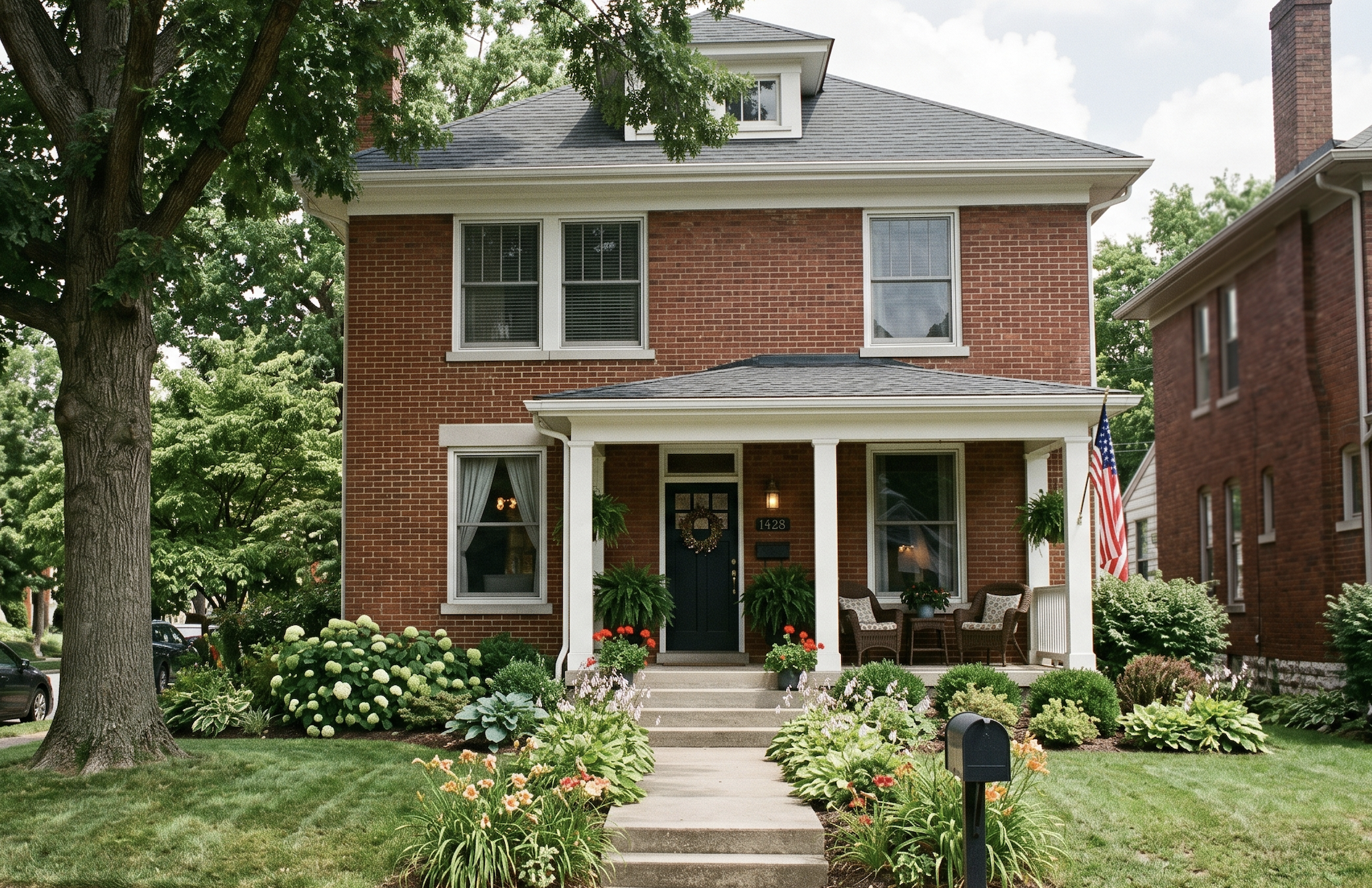
A typical Louisville neighborhood where daily life feels steady, walkable, and connected.
If you're considering moving to Louisville, Kentucky, the biggest decision usually isn't whether you can find a house you like. It's figuring out where your everyday life will work best once you're here.
Louisville gives buyers a wide range of choices, from older established neighborhoods closer to the center of the city to suburban communities, newer developments and properties with more land farther out. The right choice depends on much more than price.
Your commute, the places you visit regularly, the kind of home you want, how much maintenance you're comfortable with and even how you like to spend an ordinary Tuesday can all change where it makes sense to look.
I work with people who are trying to make those decisions before Louisville feels familiar to them. One thing I've learned is that relocation gets much easier when we stop trying to find the “best” area and start figuring out which area works for the life you're actually going to live here.
If you already know you're moving and expect to purchase before you arrive, my guide to buying a home in Louisville from out of state explains how virtual showings, inspections, financing, final walk-throughs and closing can work when you're still living somewhere else.
What Is It Really Like to Live in Louisville?
Louisville offers a mix that can be difficult to understand from a map.
You can live fairly close to restaurants, parks, hospitals and established commercial areas, or choose a location farther out where homes and lots may offer more space. Housing also varies considerably by area and age. You'll find everything from older homes with distinctive architecture to traditional suburban neighborhoods, condos and patio homes, and newer construction.
The city is also part of a larger regional employment center. Healthcare is particularly significant, alongside logistics, manufacturing, education and business services. Norton Healthcare, UofL Health and Baptist Health are among the region's major healthcare employers, while UPS, Ford, GE Appliances and Humana also have substantial operations here.
But those facts won't tell you whether your life will work here.
That's where I think relocation research often falls short. People learn about attractions, employers, home prices and neighborhoods, but they haven't yet pictured the routine they'll repeat hundreds of times after the moving boxes are gone.
How Much Does It Cost to Live in Louisville?
The cost of living is one reason people consider Louisville, but I wouldn't make a relocation decision from a citywide affordability number.
Housing costs can vary significantly depending on the area, property type, age, size and condition of the home. Purchase price is also only one part of what a house will cost you.
When I'm helping someone relocate, I want them thinking about questions such as:
What does this budget actually buy in the areas we're considering?
How much maintenance comes with the property?
Are we comparing an older home with a newer one?
How will the location affect the drives you'll make regularly?
What compromises would you have to make to stay within budget?
Two people can arrive in Louisville with exactly the same housing budget and make very different choices.
One may decide that being closer to work matters enough to accept a smaller house. Another may happily drive farther for additional space. Someone else may decide that lower maintenance matters more than either one.
That's why I prefer the question, “What will my budget allow me to prioritize?” rather than simply, “How much house can I afford?”
If you're comparing locations, my Louisville Neighborhood Guide gives you a practical framework for doing that.
Where Should You Live in Louisville?
There isn't one answer, and I would be wary of anyone who gives you one without knowing much about you.
I start with the places you will actually need to reach.
Where will you work? Do you have family nearby? Are there medical facilities or other destinations you'll visit regularly? How much driving feels reasonable to you? What kind of house are you hoping to find?
Then we can start comparing areas.
Broadly, Louisville-area buyers will encounter several different kinds of settings.
Established Areas
These often have older housing stock and can put you closer to restaurants, parks, hospitals and other established parts of the city. Homes can have tremendous character, but age and condition deserve careful attention.
Suburban Areas
You'll find a wide range of suburban housing throughout the Louisville area. Depending on location, that can include established subdivisions as well as newer homes and communities.
Newer Developments
For buyers who prefer newer construction, modern floor plans or certain community amenities, newer developments may belong in the search. The tradeoff may be location, lot size, price or commute, depending on the community.
Areas Farther From the Urban Core
Moving farther out can open up different possibilities, including larger lots or more privacy in some locations. The practical question is whether the additional driving works for your routine.
None of those choices is automatically better.
A house can meet every item on your wish list and still be in the wrong place for the life you need to live.
That is one of the most important things I want relocation buyers to understand.
How Should You Choose an Area Before You Know Louisville?
You don't have to know Louisville like a local before you begin looking.
You do need a way to compare your choices.
Before getting attached to individual houses, I would answer these questions:
Where will I need to go most often?
What drive times am I comfortable with?
Which home features are true needs?
What would I trade for a better location?
How much maintenance do I realistically want?
Do I care more about space, condition, convenience or some combination of the three?
How long do I expect this home to fit my life?
Those answers give us something far more useful than a list of popular neighborhoods.
If you're able to visit before buying, use at least part of the trip to drive rather than tour houses.
Drive from the areas you're considering to work. Go at a realistic time of day. Find the grocery store. Notice the roads and surroundings. See whether the distances on the map feel the way you expected them to feel.
I've found that this often tells a relocating buyer more than squeezing one additional showing into the afternoon.
What Surprises People After Moving to Louisville?
Some surprises have nothing to do with real estate.
Louisville summers can be hot and humid. A car is an important part of daily life for many residents. Different parts of the metro can feel surprisingly distinct from one another, which is one reason choosing solely from an online neighborhood list can be misleading.
There is also an adjustment that is harder to quantify.
When you're new to a city, even simple things require thought for a while. You don't automatically know which route you prefer, how long a drive really takes at 5:00, where you like to shop or which part of town makes the most sense for an appointment.
That becomes normal surprisingly quickly, but I think it's worth acknowledging.
Relocation isn't just changing houses. For a while, you're rebuilding all the little routines that normally happen without thinking.
A good housing decision can make that transition considerably easier.
What If You're Relocating to Louisville for Work?
Start with your actual work schedule, not simply the address of your employer.
Louisville has substantial employment in healthcare, logistics, manufacturing and business services.
For someone relocating for a medical position, for example, I would want to know more than which hospital or facility employs you.
Do you work traditional hours? Early mornings? Nights? Are you on call? Will you work at more than one location?
Those details can change how you think about distance.
The same applies to anyone relocating for work. A commute that looks perfectly reasonable on a map may feel different when you make it ten times a week.
Should You Choose the House First or the Location First?
For most relocating buyers, I would narrow the location before becoming serious about individual houses.
That doesn't necessarily mean choosing one neighborhood. Doing that too early can be unnecessarily restrictive.
Instead, identify several areas that work with your routine and housing goals. Then let the available homes help you compare the tradeoffs.
This approach also makes remote searching much easier because you aren't reacting to every attractive listing across the entire Louisville metro.
The house is one decision. The life surrounding it is the bigger one.
Is Louisville the Right Fit for You?
That depends on what you're hoping your move will accomplish.
Someone looking for a dense urban environment where daily life can revolve around public transportation may evaluate Louisville very differently from someone looking for more housing choices, additional space or a different pace of life.
And that's okay.
I don't think a relocation guide should try to convince everyone that Louisville is right for them.
A useful relocation guide should help you recognize whether your priorities and what Louisville offers line up well enough to keep exploring.
If they do, the next step is getting more specific about where and how you would live here.
What Should You Do Before Deciding Where to Live in Louisville?
Before choosing an area or making an offer:
Map your regular destinations. Work is important, but include the other places that will be part of your routine.
Drive the areas you're seriously considering. If you can visit Louisville, experience them at different times rather than only during showings.
Compare what your budget buys in several locations. Don't assume the same amount of money produces the same choices everywhere.
Look beyond listing photographs. Pay attention to the property, street, surroundings and drive.
Decide which compromises you can actually live with. Most buyers make some. The goal is choosing the right ones.
Give yourself permission not to know everything yet. You can narrow the search as you learn more.
The goal isn't to become a Louisville expert before you move.
It's to know enough to make a thoughtful decision about your own life here.
Frequently Asked Questions About Moving to Louisville, KY
Is Louisville, KY a Good Place to Live?
Louisville can be a good fit for people who value a range of housing choices, access to a major regional employment center and the ability to choose among more urban, suburban and lower-density settings. Whether it is a good fit for you depends on your budget, commute, housing preferences and the kind of daily life you want.
Why Do People Relocate to Louisville?
People relocate to Louisville for many reasons, including employment, proximity to family, housing needs and lifestyle changes. The regional economy includes major employers in healthcare, logistics, manufacturing, education and business services.
Is Louisville Affordable?
Affordability depends on what you're comparing Louisville with and where and what you plan to buy. Instead of relying only on a citywide cost-of-living figure, compare actual housing choices, taxes, maintenance, transportation and other recurring expenses that apply to your situation.
Where Should I Live in Louisville?
Start with your routine. Identify where you need to go regularly, the type of home you want, your budget, acceptable drive times and the compromises you're willing to make. Then compare Louisville-area locations that meet those criteria rather than relying on a generic “best neighborhoods” list.
Is Louisville Good for Healthcare Professionals Relocating Here?
Louisville has a significant healthcare sector, including major employers such as Norton Healthcare, UofL Health and Baptist Health. For someone relocating for healthcare work, location should be considered alongside worksite, schedule, commute and whether the position requires travel between facilities.
Planning Your Move to Louisville
If you're in the early stages, you don't need to have every part of the move figured out before asking questions.
My Louisville relocation guide goes deeper into the overall relocation process, including how Louisville is laid out, planning your home search and preparing for the move.
If you already know you're moving and expect to purchase while you're still living somewhere else, start with my guide to buying a Louisville home from out of state.
And if your move involves helping a parent or planning a later-life transition, my Louisville downsizing and senior transitions guide addresses the additional decisions that can come with that kind of move.
You don't have to sort through all of it at once.
If you'd like to talk through where to focus, what to consider or how your particular move might work, you can reach out here. I'll help you figure out a sensible next step.